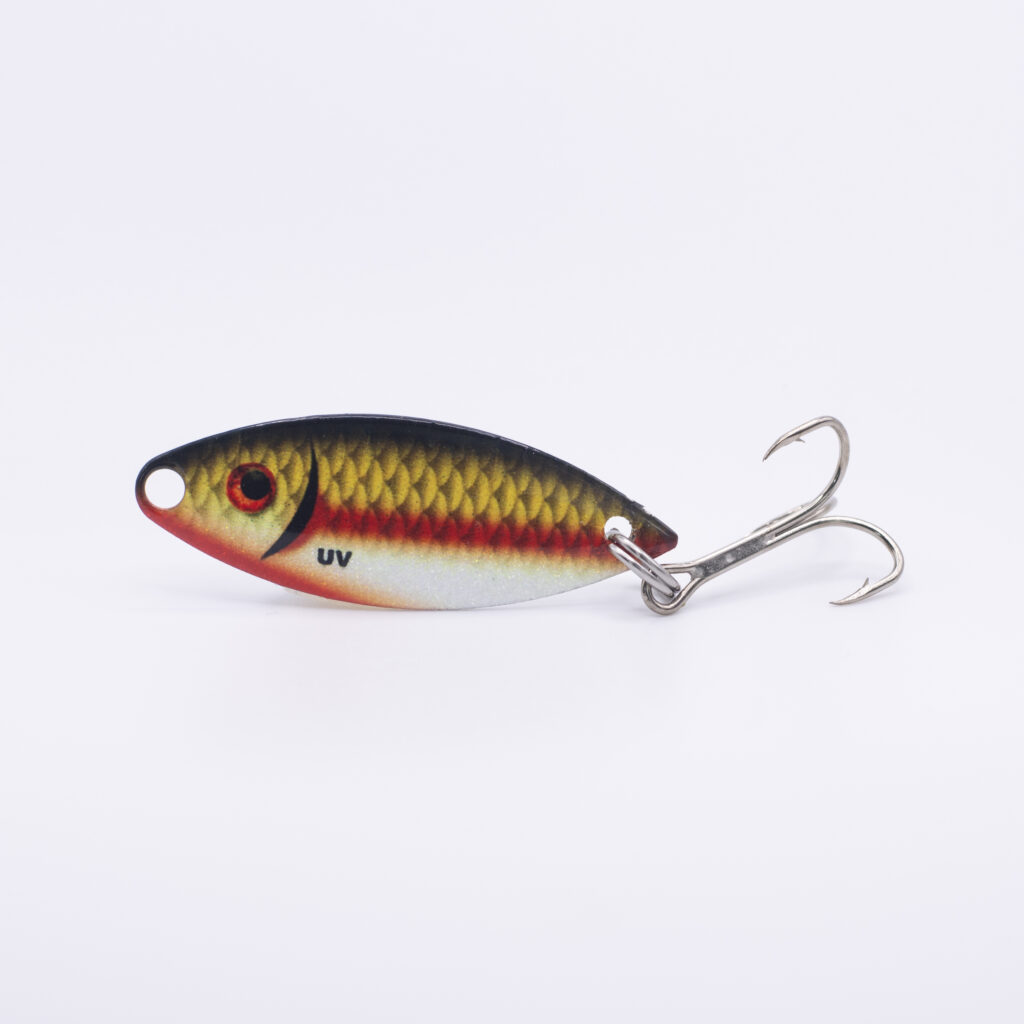
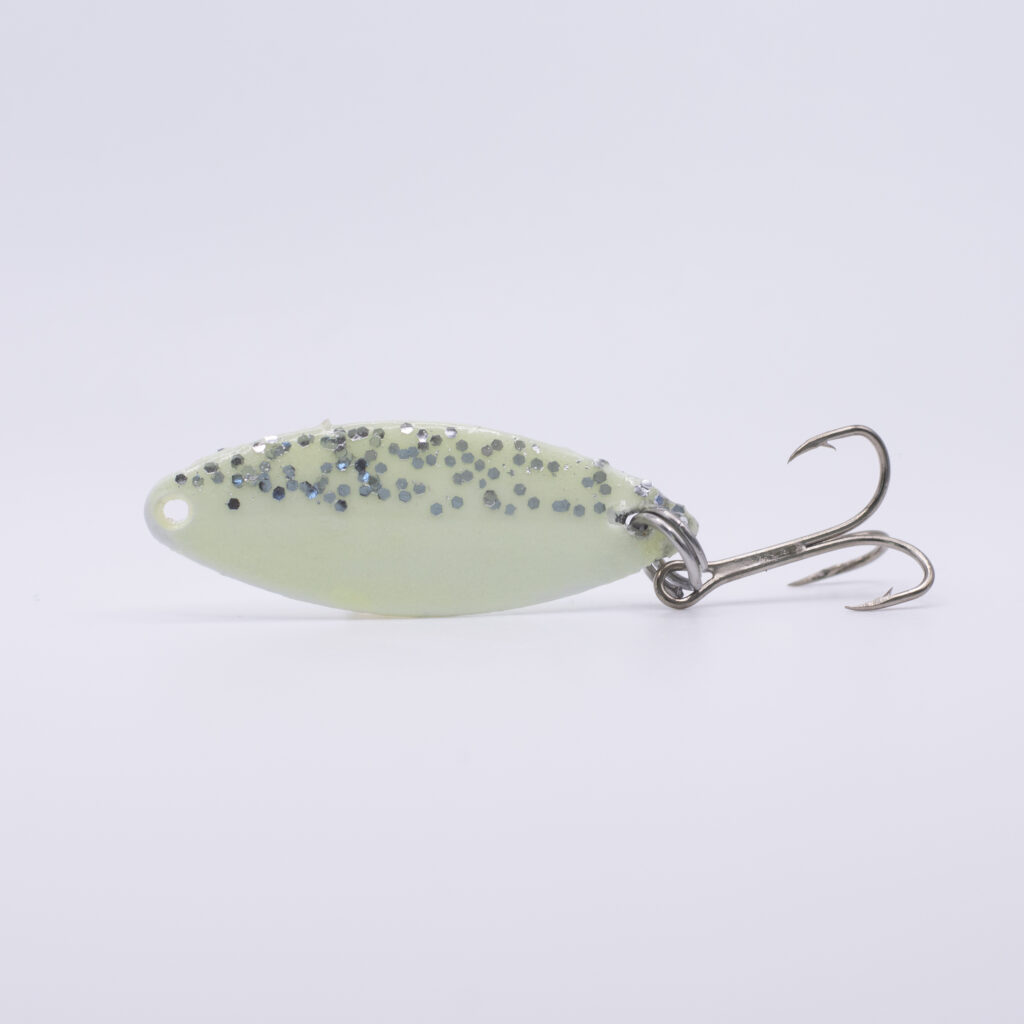
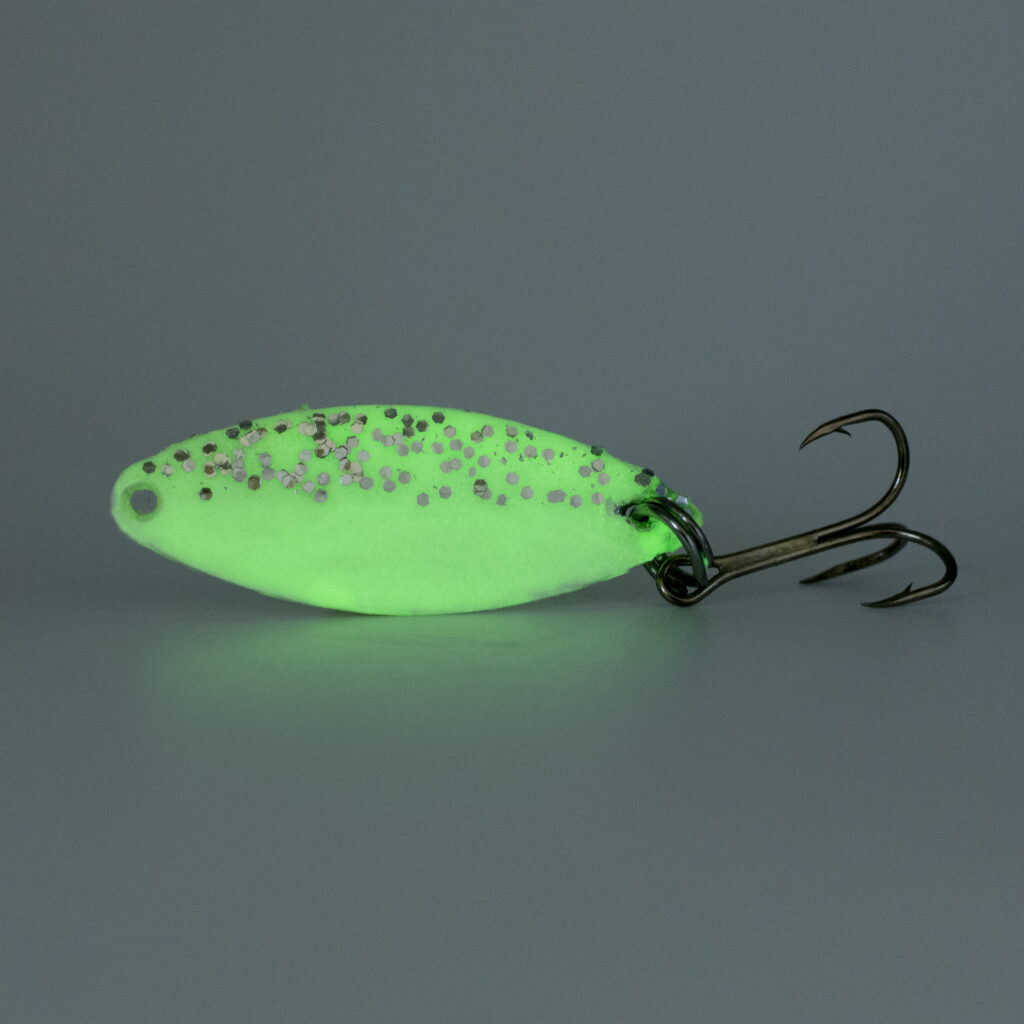
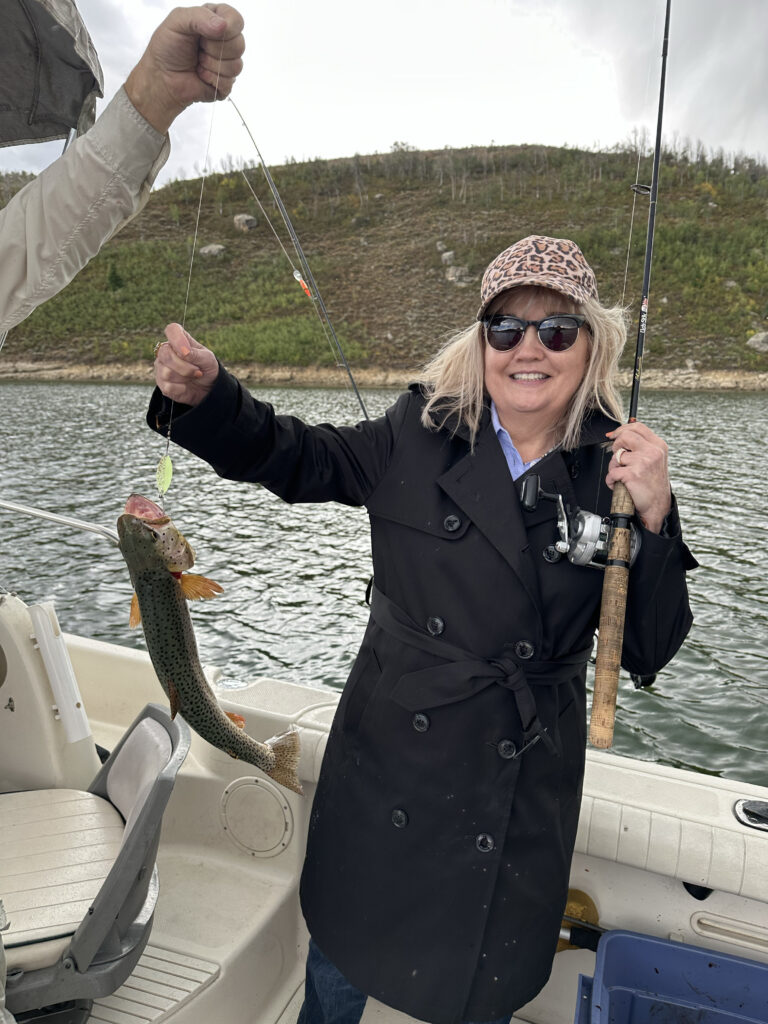
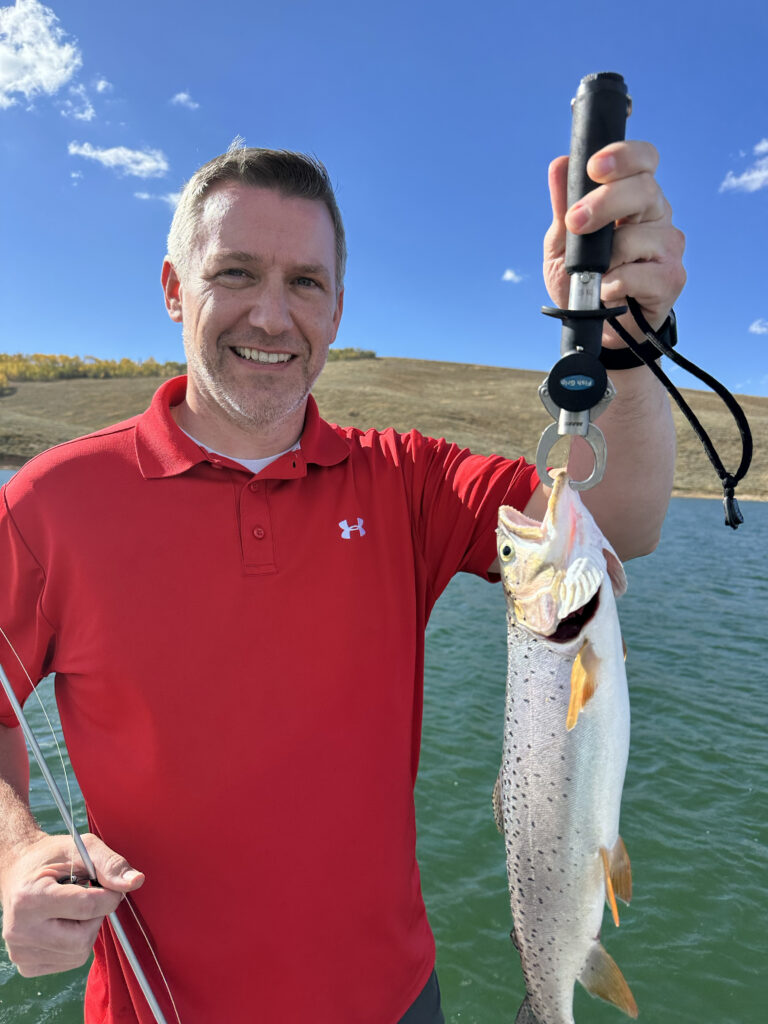
Hey there, anglers! Today we’re sharing a tip straight from Captain Steve — a legend with over 50 years of experience trolling the deep waters of more reservoirs than he can count, reeling in monsters that’ll make your jaw drop. Friends, family, and clients are always begging him to spill his secrets, and today, he’s doing just that.
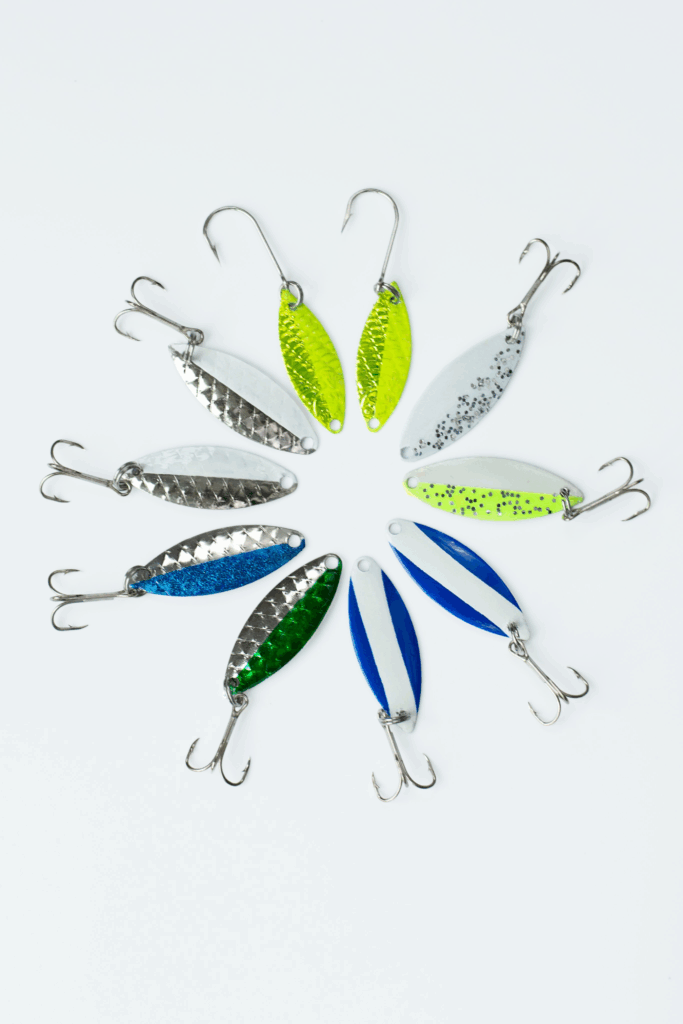
Captain Steve only fishes with his own handmade lures — designs he’s been perfecting for decades and now offers at www.flashyfishlures.com. His big secret? Most of the time, it’s the small and extra-small lures that land the giants. We’ve even dug into the science to explain why.
While half the boats out there are tossing lures the size of dinner plates, chasing the “bigger bait, bigger fish” myth, they often get skunked. Captain Steve doesn’t want that to happen to you. Check out our gear and see why his little lures are a big deal.
The Skinny on Small: Why Tiny Lures Rule the Deep
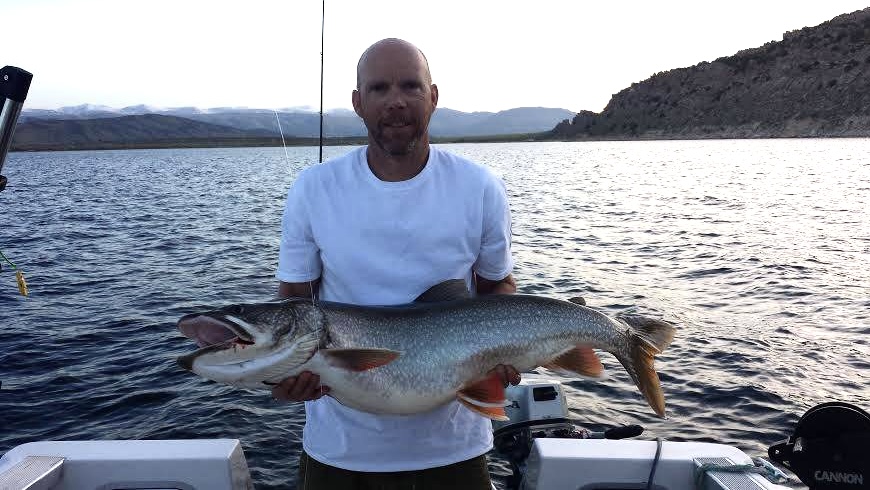
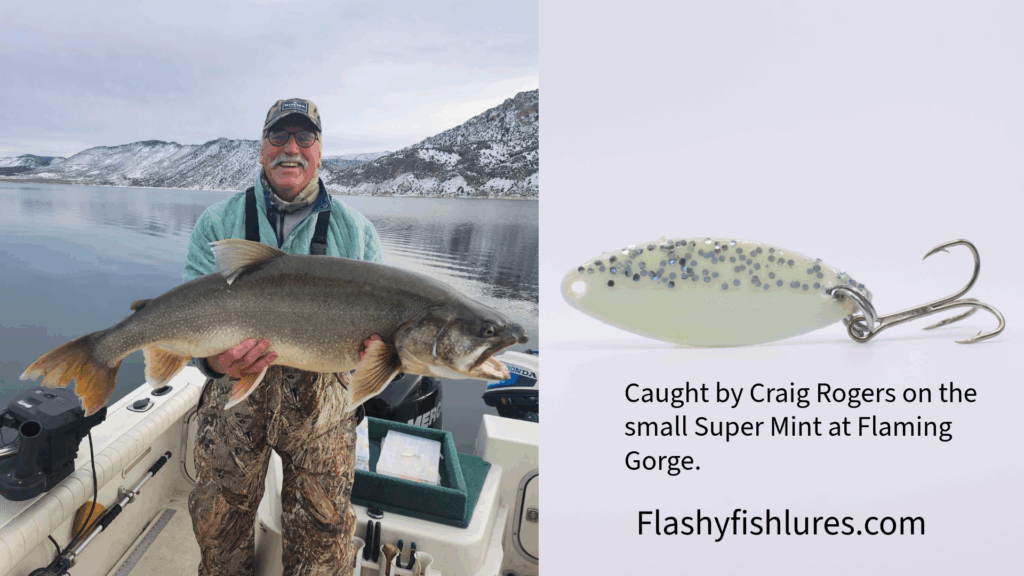
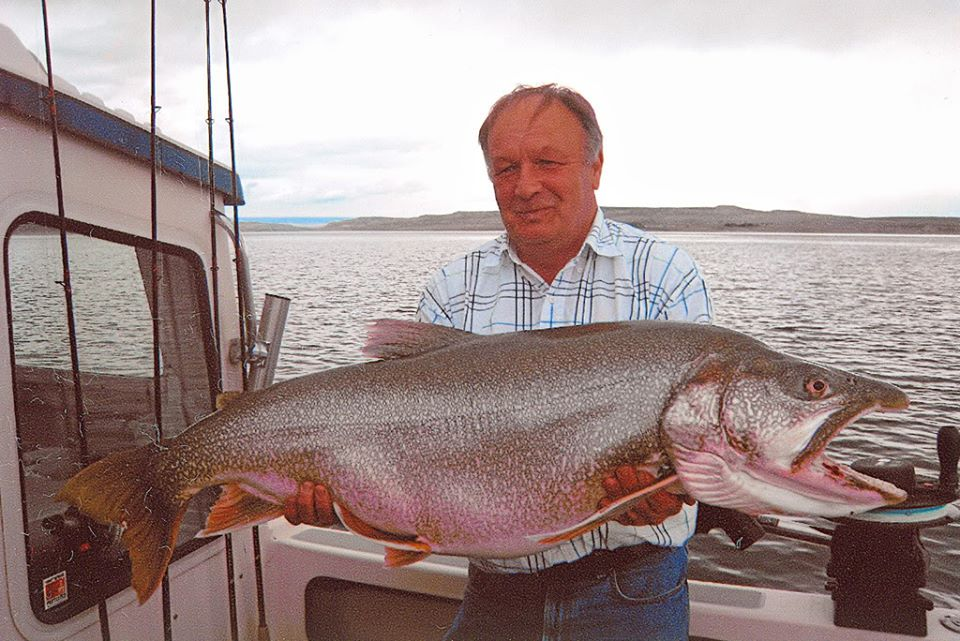
Captain Steve has seen it a hundred times: some hotshot rolls up with a tackle box full of oversized plugs, thinking they’ll haul in a laker the size of a canoe. Meanwhile, Captain Steve is slow-trolling a 2-inch handmade Super Mint Lure and pulling 25-pounders that leave rods limp.
Why? It’s not luck — it’s knowing how fish think. Lake trout, especially the cagey old hogs, aren’t dumb. They’re calorie counters. And science backs Captain Steve’s logic: small lures get ‘em every time.
1. Small Lures Fool the Wise Ones
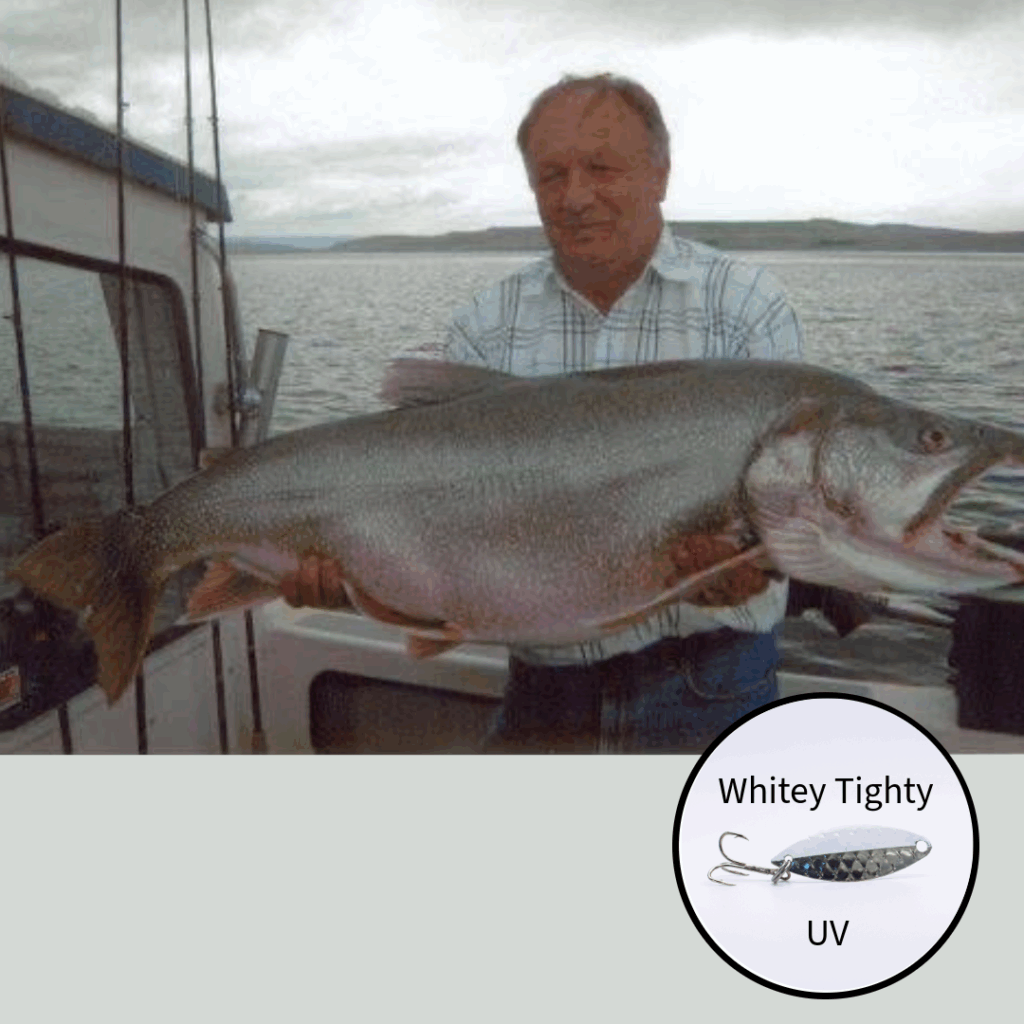
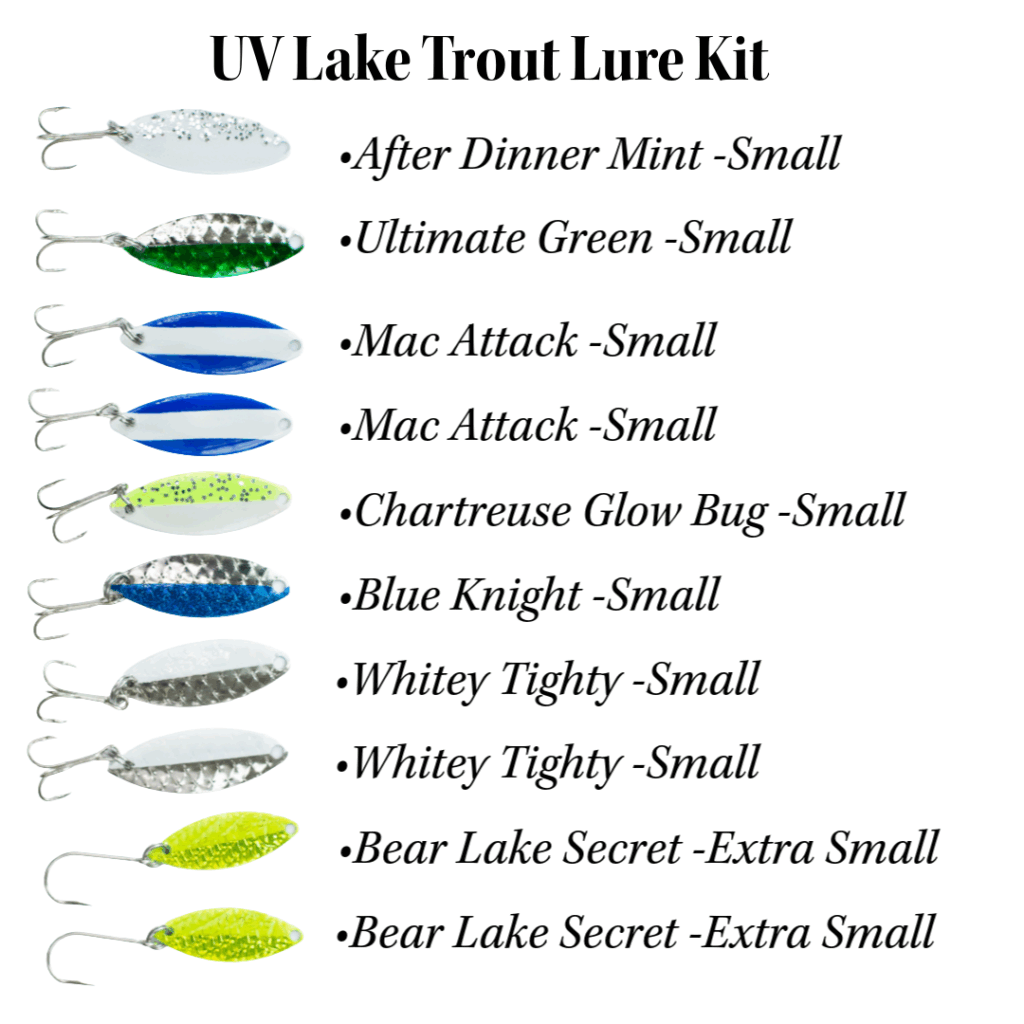
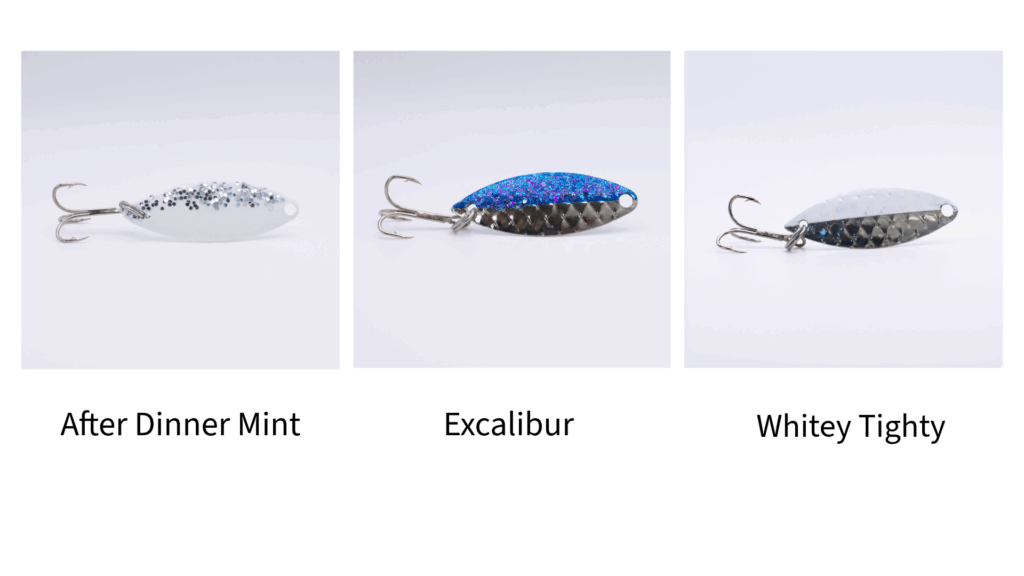
Big lures? They’re like neon signs screaming “trap” to trout that’ve dodged hooks for years. They move unnaturally and spook the big ones. Captain Steve’s After Dinner Mint, Excalibur, and Whitey Tighty? They dance like panicked smelt — same size, same wiggle, no red flags.
In fact, Fisheries say big predators like bass (and trout aren’t much different) fall harder for “natural” baits that don’t look like trouble. He’s watched clients skunk out with jumbo swimbaits while his small specialty lures bag the big ones. Years of testing prove it: little lures catch more fish — and bigger fish. It’s about looking like lunch, not a landmine.
2. Calorie Game: Small Snacks Win Big Bites
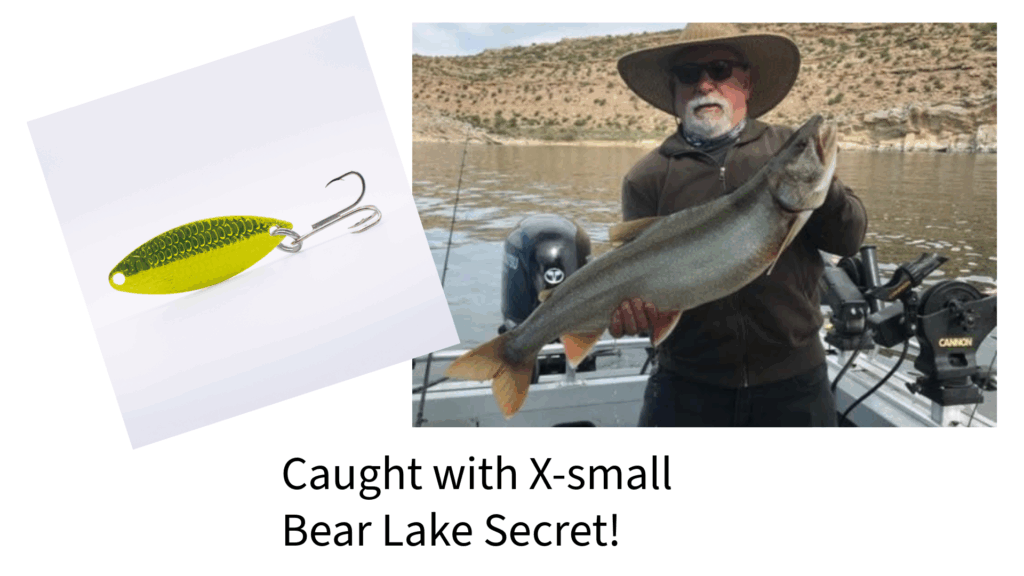
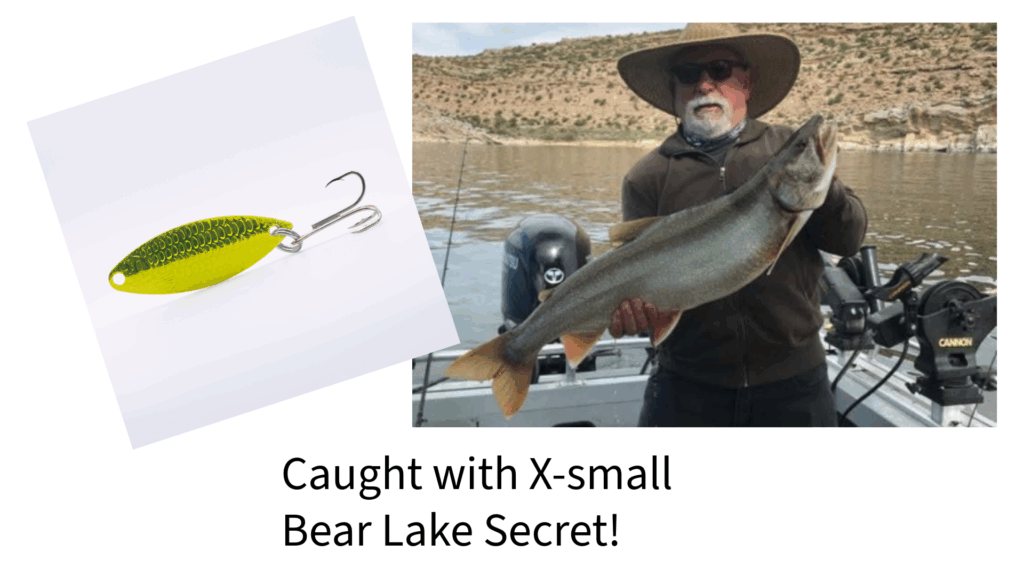
Deep-water lakers aren’t burning energy for fun. They cruise, conserve, and pick fights they know they’ll win. A small lure like the X-Small Bear Lake Secret — tight wobble, subtle flash — looks like an easy score. Biologists say predators target prey that’s low-effort, high-reward, especially when they’re sluggish after a cold front.
Big lures? Too much work for too little payoff. Captain Steve’s little lures? They’re the perfect cheat code for lazy trophies.
3. Triggering the Snap: Small Lures Spark Instinct
Ever wonder why fish go nuts for tiny baits? It’s instinct — they can’t help it. A small lure darting like a wounded minnow flips a switch: “Smack it before it’s gone!”
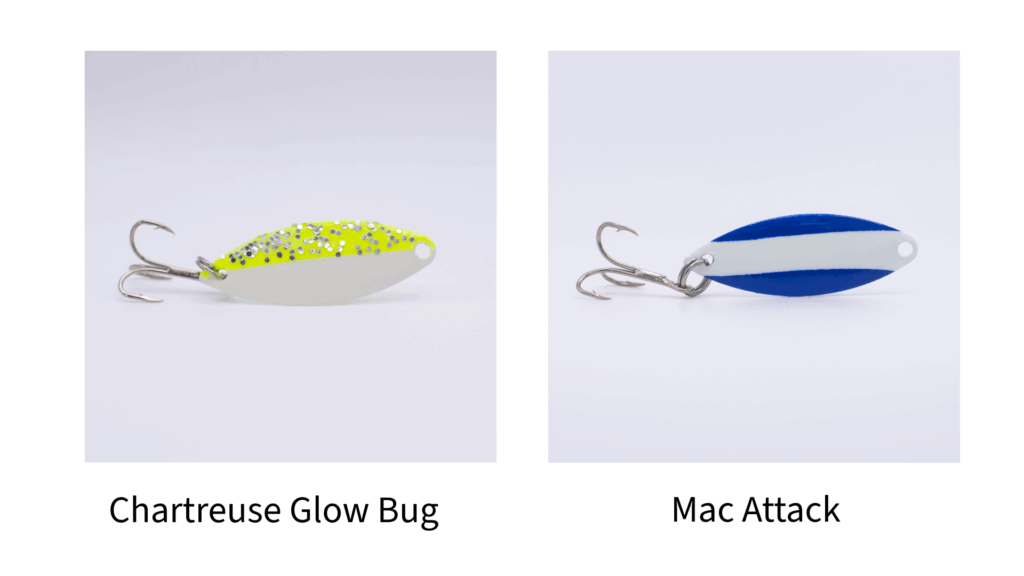
Science shows predators prefer to hit small, erratic prey fast and hard. The bright flicker of Captain Steve’s Chartreuse Glow Bug is just enough flash to catch a trout’s eye in murky depths without screaming “fake!” In pressured lakes, where big fish get hook-shy, small lures sneak past their defenses like a thief in the night.
It’s not magic — it’s instinct.
From the Captain’s Log: Small Lures, Big Stories
Captain Steve doesn’t need a lab coat to know small spoon lures work. In the Utah fishing community, it’s well-known: he’s been out-fishing “big bait” believers since the ’80s, netting lakers that made other anglers jealous while their clunky lures only hooked algae.
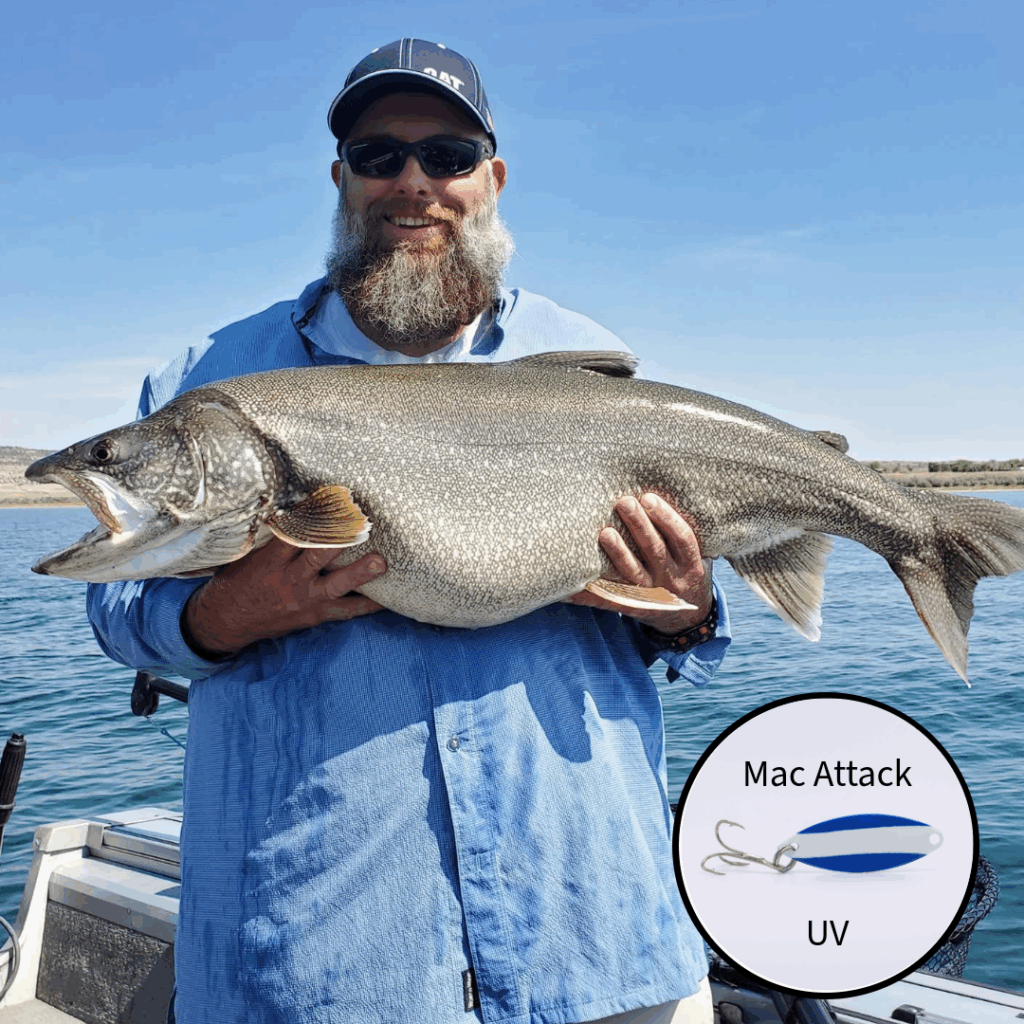
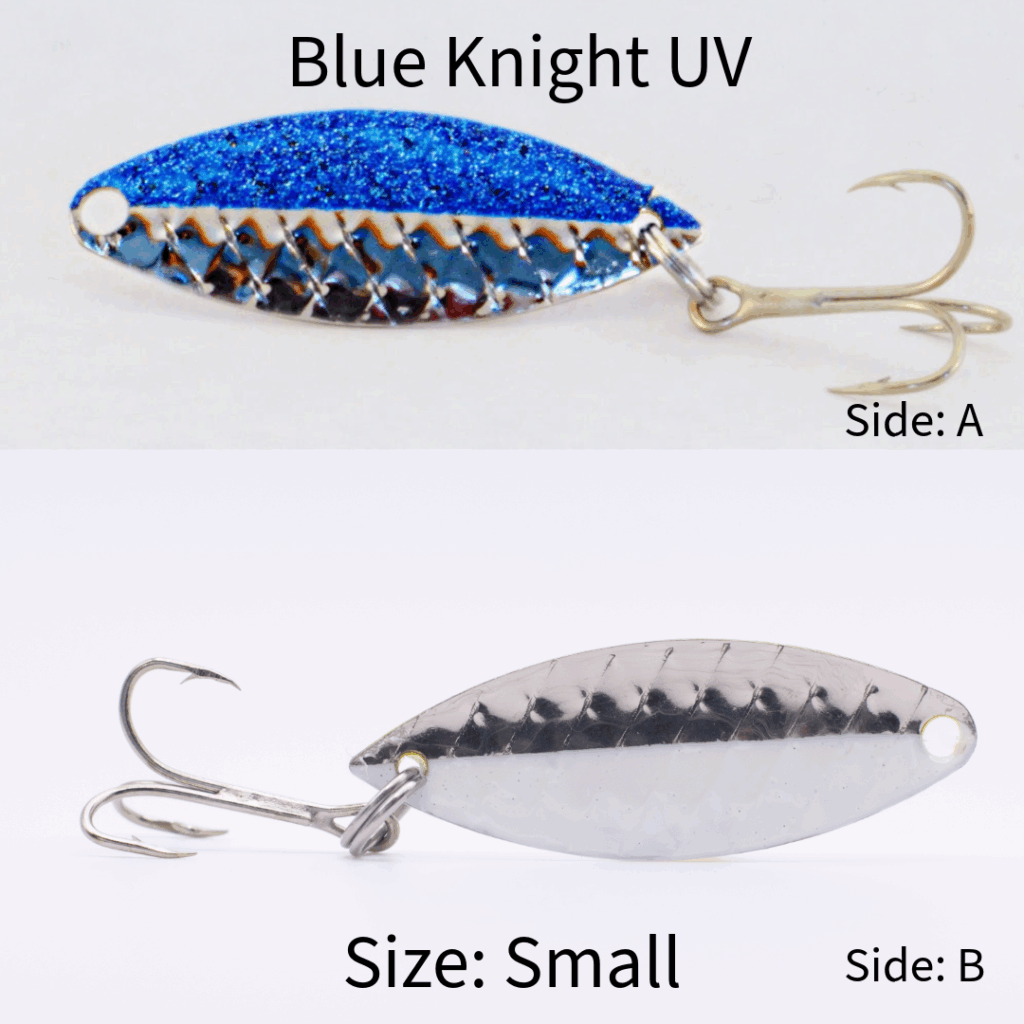
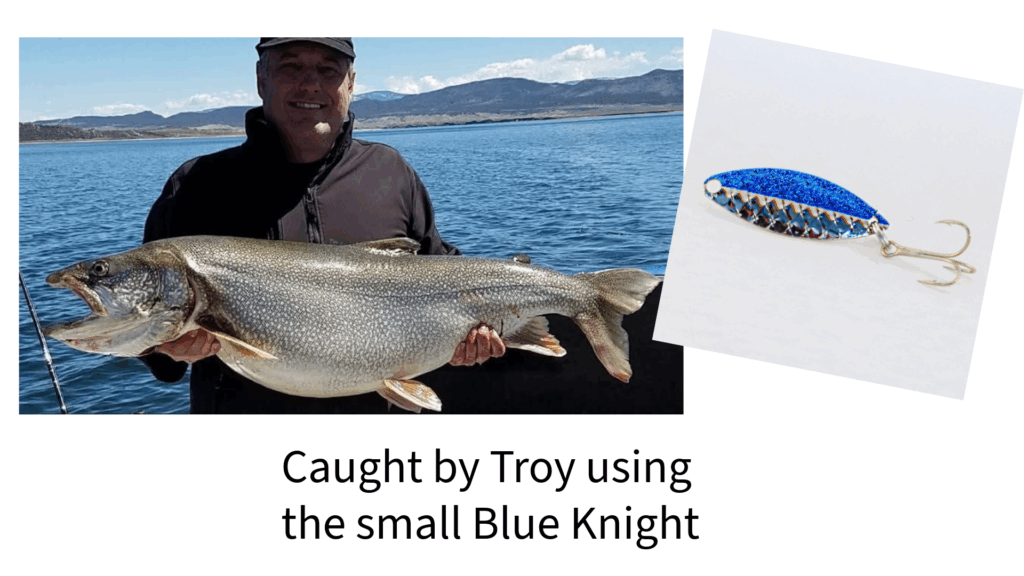
His trick? Trolling the Small Mac Attack at 2.25 mph in 40–50 feet of water, letting its twitchy action call ’em up from the deep. Or the Small Blue Knight when the bite’s tough — its sparkling blue rings the dinner bell.
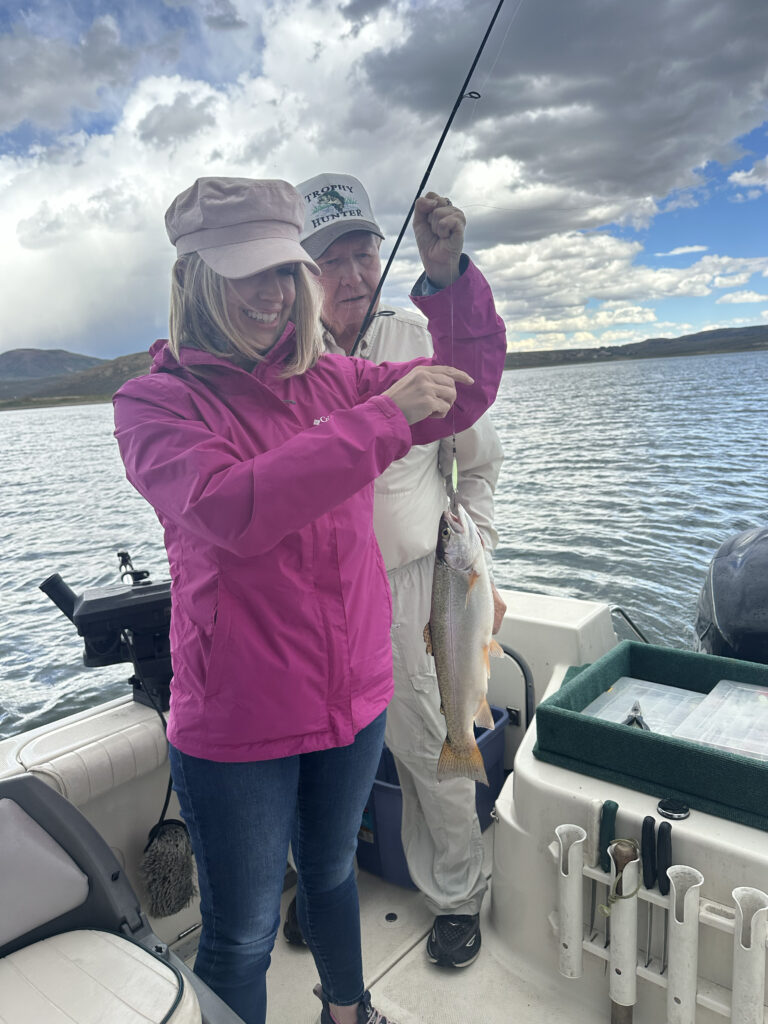
“I’ve out-caught charter clients 3:1 when they insisted on oversized gear. One trip, I landed a 25-pounder on a 2-inch lure while the guy next to me cursed his “guaranteed” magnum clunker lure,” reports Captain Steve. Fish don’t read tackle ads — they eat what looks right.
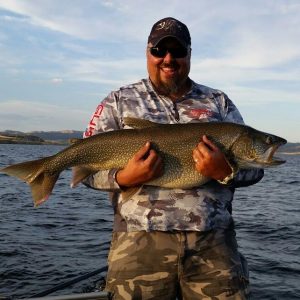
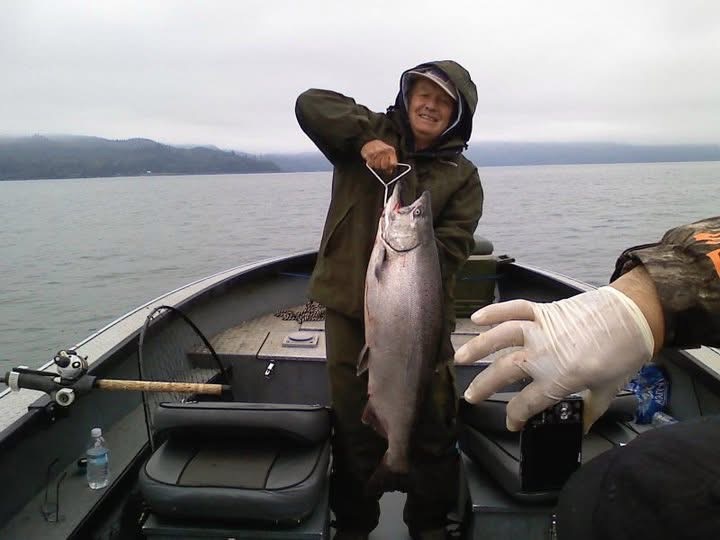
Captain Steve Crushing it with his specialty handmade Flashy Fish Lures!
Research Sources On Subtlety and Natural Prey Mimicry (Why Small Lures Fool Wary Predators):
1. New, J.G. (2008). “Beyond the fins: Engineering and behavior in fish.” *American Scientist*, 96(3), 228-235.
2. Masser, M. (2003). “Lure design and fish behavior.” In *Fish Behavior and Fisheries* (pp. 45-62). American Fisheries Society.
3. Guzzo, M.M., et al. (2017). “Behavioral responses to annual temperature variation alter the dominant energy pathway, growth, and condition of a cold-water predator.” *Proceedings of the National Academy of Sciences*, 114(37), 9912-9917.
4. Adams, S.M. (1999). “Bioenergetics.” In *Methods for Fish Biology* (2nd ed., pp. 307-340). American Fisheries Society.
5.Stoner, A.W. (2004). “The relationship between sport fishing catch rates and size selectivity.” *Fisheries Research*, 66(1), 1-12.